NFRC Chairperson James Garvin (centre) photographed with President Catherine Connolly and her husband Brian McEnery
Read morePresident Catherine Connolly Visits Newbridge Family Resource Centre 29-05-26
![_DSC6973[1].jpg](https://images.squarespace-cdn.com/content/v1/5a4a9ba8d55b41667131aeb9/1783601859885-JIN0EY8U2J5R45FDCG8L/_DSC6973%5B1%5D.jpg)

Your Custom Text Here
NFRC Chairperson James Garvin (centre) photographed with President Catherine Connolly and her husband Brian McEnery
Read moreA blog written by staff and students at Maynooth University's Dept of Geography
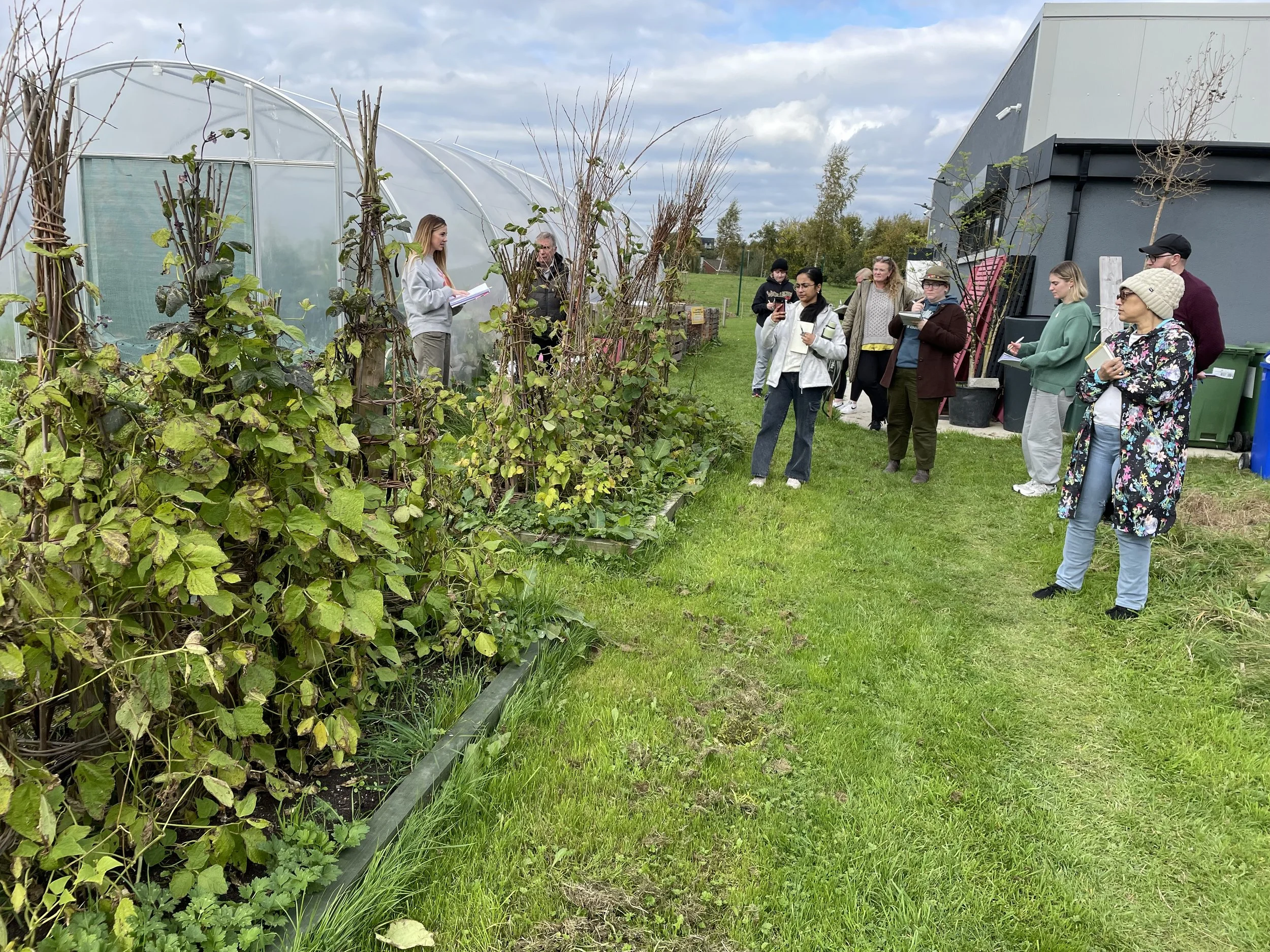
Figure 1. Tour of the Newbridge Family Resource Centre Community Garden with Our Shared Plate, for the ‘Spatial Justice and Public Engagement’ MA class at Maynooth Geography, 17 October 2025. Photo courtesy of Our Shared Plate.
an area of land that— (a) is let or available for letting from a local authority to members of the local community for collective gardening purposes, and (b) is used or intended for use— (i) wholly or mainly for either or both of the following: (I) the production of vegetables or fruit mainly for consumption by members of the local community; (II) the propagation of plants for environmental or decorative purposes in the local community, and (ii) otherwise than for profit.
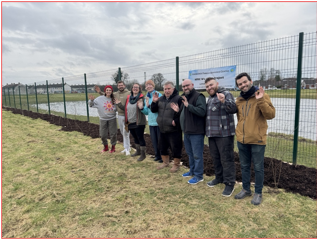
Figure 3. Newbridge planting workshop with Lucy Bell, April 2025. Photo courtesy of Our Shared Plate.
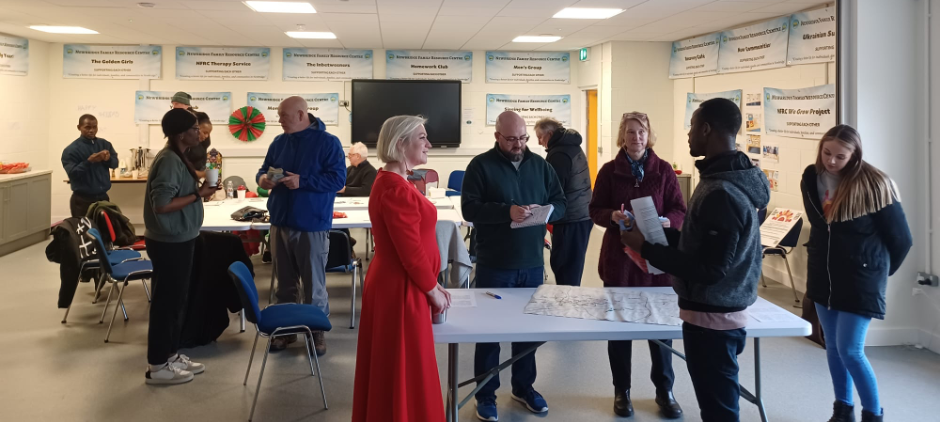
Figure 4. Newbridge community members mapping food access with Maynooth Geography researchers, with artist Jennie Moran (to the left) looking on. Photo courtesy of Our Shared Plate.
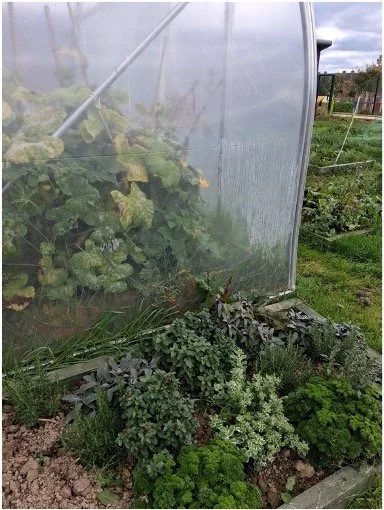
Figure 5: Inside the polytunnel, summer cucumbers sprawl, heavy with fruit. Outside the polytunnel, vivid green herbs grow in the crisp autumn air. Photo by Kate Hemsley.
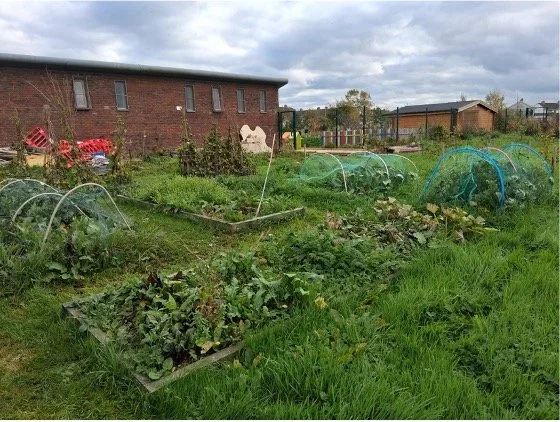
Figure 6: Behind the polytunnel are raised beds for all kinds of winter and fall vegetables. Willow arches fashioned by community members provide support for climbing beans and nettings to keep the birds away. Photo by Kate Hemsley.
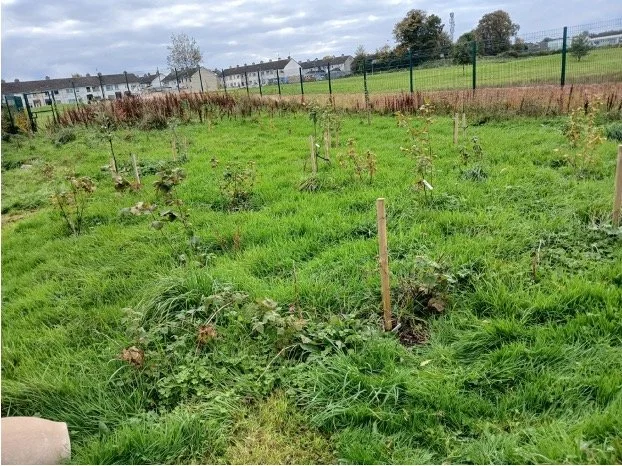
Figure 7: In the foreground one can see the fruit tree saplings marked with wooden posts. Beyond, the beginnings of the woodland area for birds and beneficial insects. Photo by Kate Hemsley.
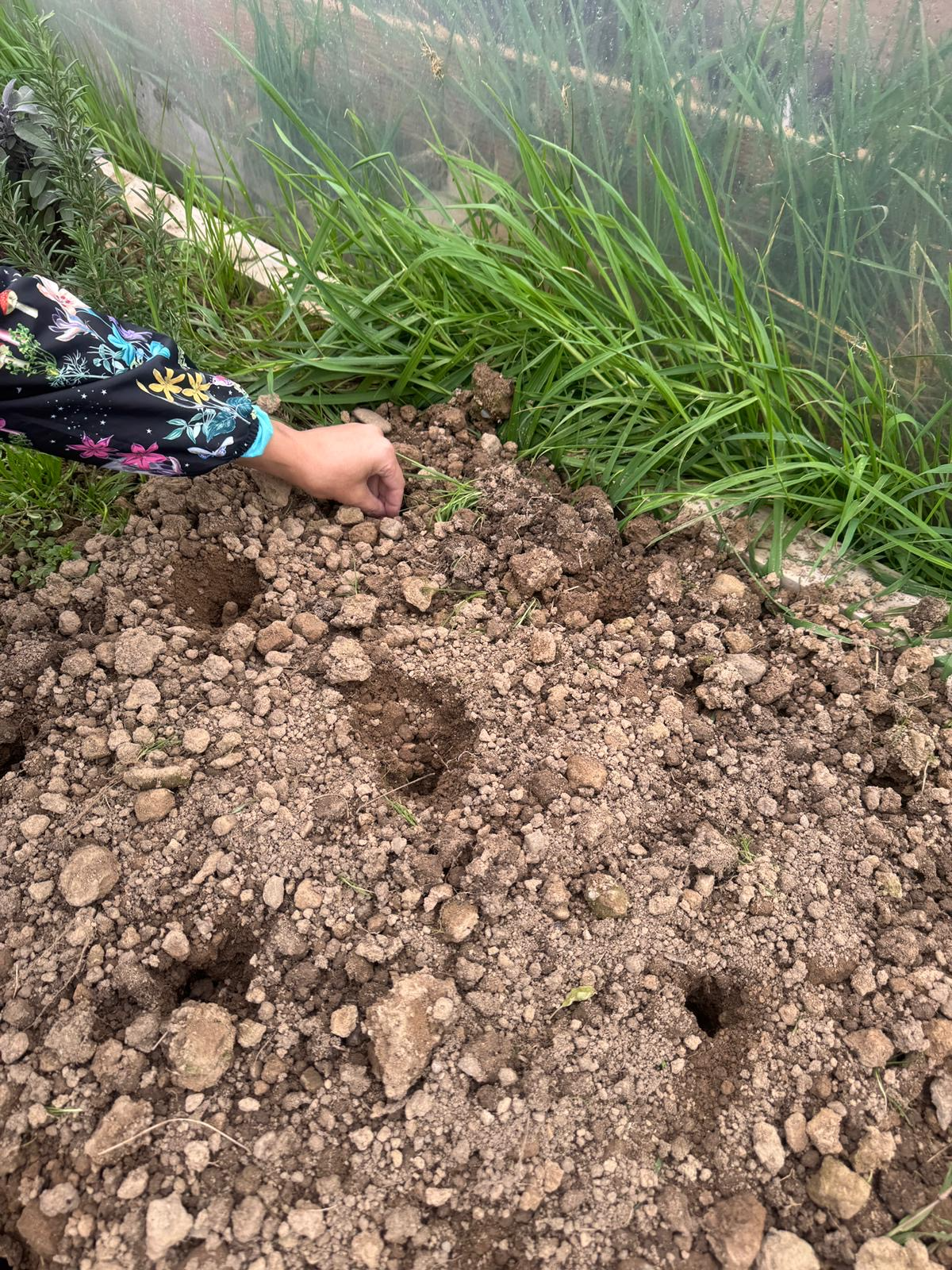
Figure 8. Learning to plant winter garlic with volunteer senior gardener at NFRC. Photo courtesy of Our Shared Plate.


Newbridge Family Resource Center Manager, Ellen Duggan, speaking with Eoin Beatty from KFM about the services we provide.
Claire McAlinden on KFM, talking about HeadsUp mental health group in Coill Dubh and an upcoming group in Blessington.
Newbridge, Co Kildare – September 2023 - Newbridge Family Resource Centre (FRC) is thrilled to announce the triumphant culmination of its 2nd annual 5K Run/Walk, which took place on Sunday, September 17th. The event saw an impressive turnout of enthusiastic runners and walkers, turning out in support of this vital community fundraising event.
We were lucky with favourable weather conditions, participants revelled in the countryside route, a challenging route in parts, which enhanced the overall experience for everyone involved. The success of the event would not have been possible without the concerted efforts of numerous entities and individuals. The organising committee, Newbridge Athletic Club, Kildare Volunteer Centre, Newbridge Gardai, the Civil Defence, Fit for Life and the dedicated board members of Newbridge FRC, the hardworking staff and the army of volunteers all played pivotal roles in ensuring the event’s seamless execution. Along with the support of Kildare Sports Partnership and Just Run Events for Chip Timing of the event.
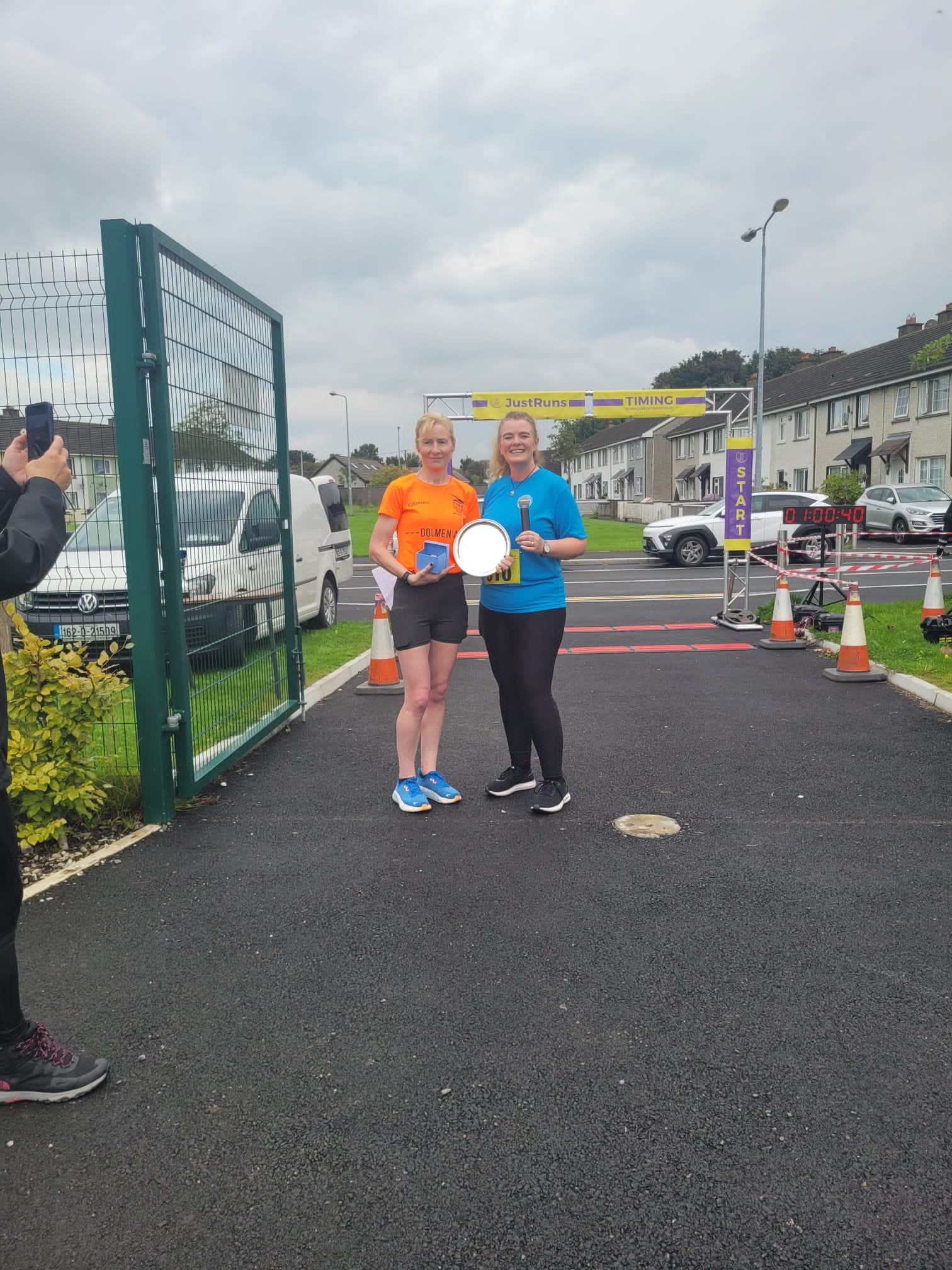
The generosity of local businesses in providing outstanding prizes added an extra layer of excitement to the event. Special appreciation is extended to Newbridge Silverware for their exquisite perpetual trays, to be engraved with the names and times of the fastest over 18 male and female participants. Additionally, each male and female winner received two beautiful watches, generously provided by Newbridge Silverware. Well done to our fastest male and female; Mark Maranjov with an impressive time of 19:16 and Mary Boylan with an impressive time of 20:49.

In a laudable effort to encourage youth participation, a new category was introduced for the fastest male and female under 18. Trophies for this category were graciously donated by Tony Donohoe’s of Newbridge. There was a great turn out from the up-and-coming talent on the day, we could possibly have had a future Olympian running our 5K this weekend! We will continue to support the community’s commitment to nurturing young talent. Well done to our fastest under 18’s Daire Murray with an impressive time of 20:21 and Hannah Cash with an impressive time of 20:23.
The funds raised from this event will be channelled towards the construction of a new extension for Newbridge FRC. This expansion promises to provide even great support and resources to the community.
The Newbridge Family Resource Centre extends heartfelt thanks to the local community, businesses, and agencies whose unwavering support has been instrumental in the success of this event. With eager anticipation, the centre looks forward to an even more successful event next year.
For anyone seeking to find their own time and results, simply search for your Surname/Bib number here:
JustRun 5k FunRun Results
Thank you to all who participated this year and we cant wait to see you all here next year. 🏆😊
Hey everyone!😊
We're finally able to show our prizes for the 1st and 2nd place under-18 participants of our 5K Fun Run/Walk! Their names will make history and be the first to be engraved onto our Trophies! 🏆 A huge thank you to Tony Donohoe's of Newbridge for making these beautiful Trophies.
We also have a beautiful cutlery set for the first Male and Female over-18s participants to cross the line! Another huge things to NewbridgeCutlery for providing these to the cause.
If you're looking for a chance to win these wonderful prizes, be sure to sign up for our 2nd annual 5K Fun Run/Walk on September 17th! 🏃♀️🏃♂️
Register here! 📝
Newbridge FRC 5k Fun Run 2023 (njuko.net)
This event will be chip timed with a bespoke medal for all participants and a commerative T- Shirt for the first 250 registered.
Refreshments will be served afterwards at the centre! ☕

Hi everyone 😊🌻.
Once again, thank you to everyone for the amazing turnout on Monday. Today we've brought in the crane to help us move the prefabs we had lying on the premises! 😲
A significant portion of the funding for our extension comes from local businesses and public donations, so this literally this wouldn't be possible without you all.😍
As promised, here's some more pics we took on the day, along with a few pictures of the preparations the builders are making today.😄
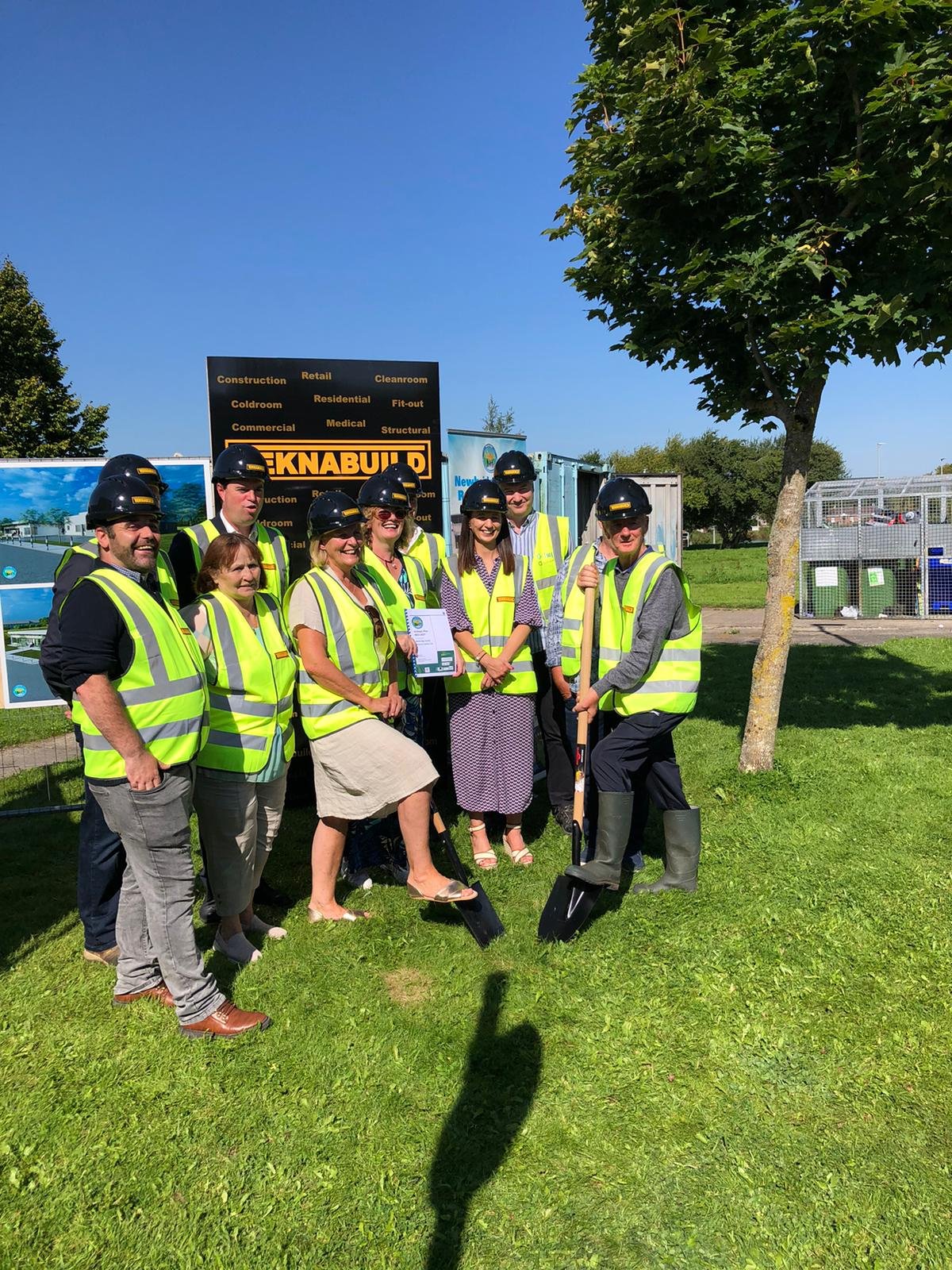
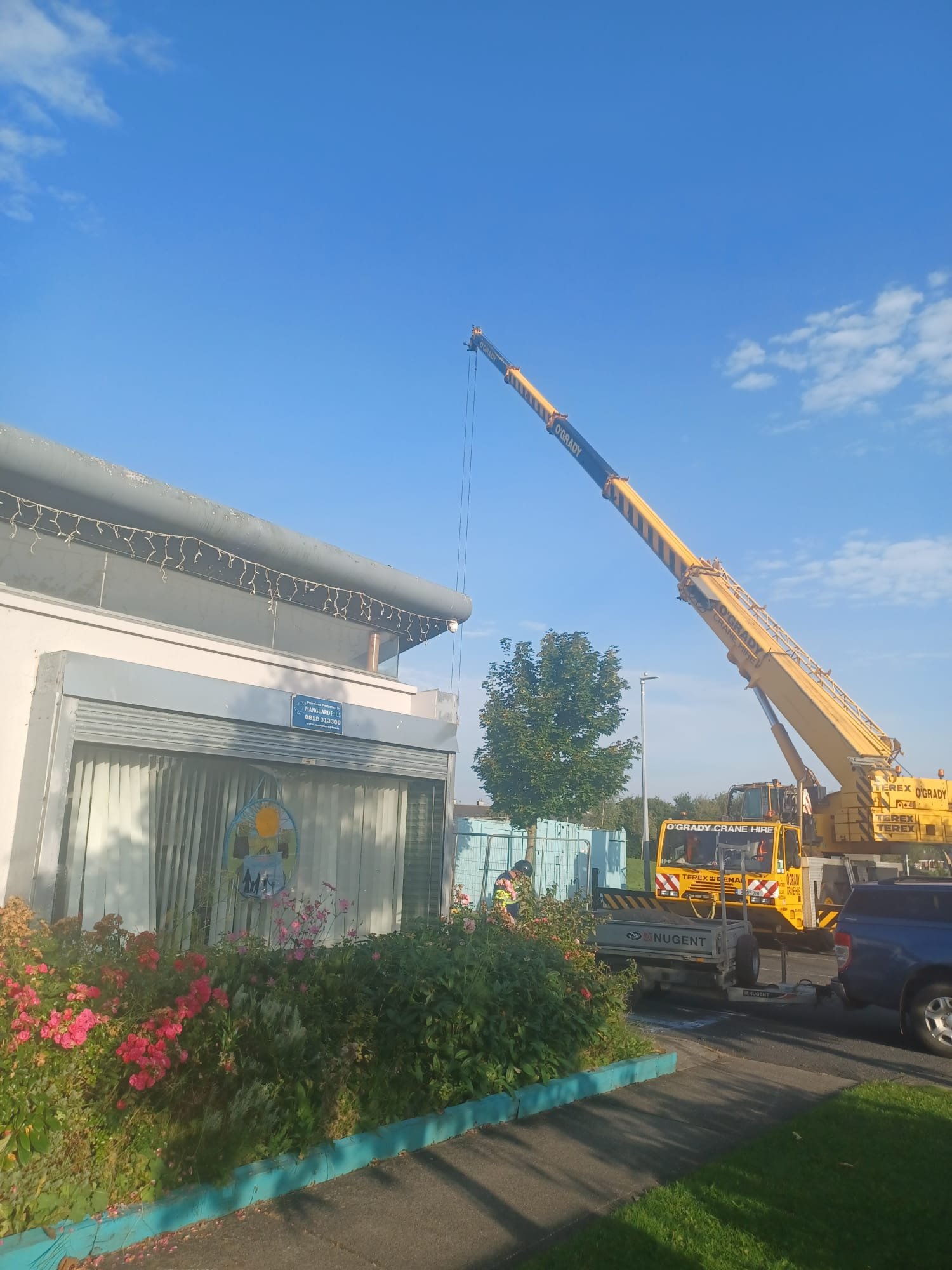
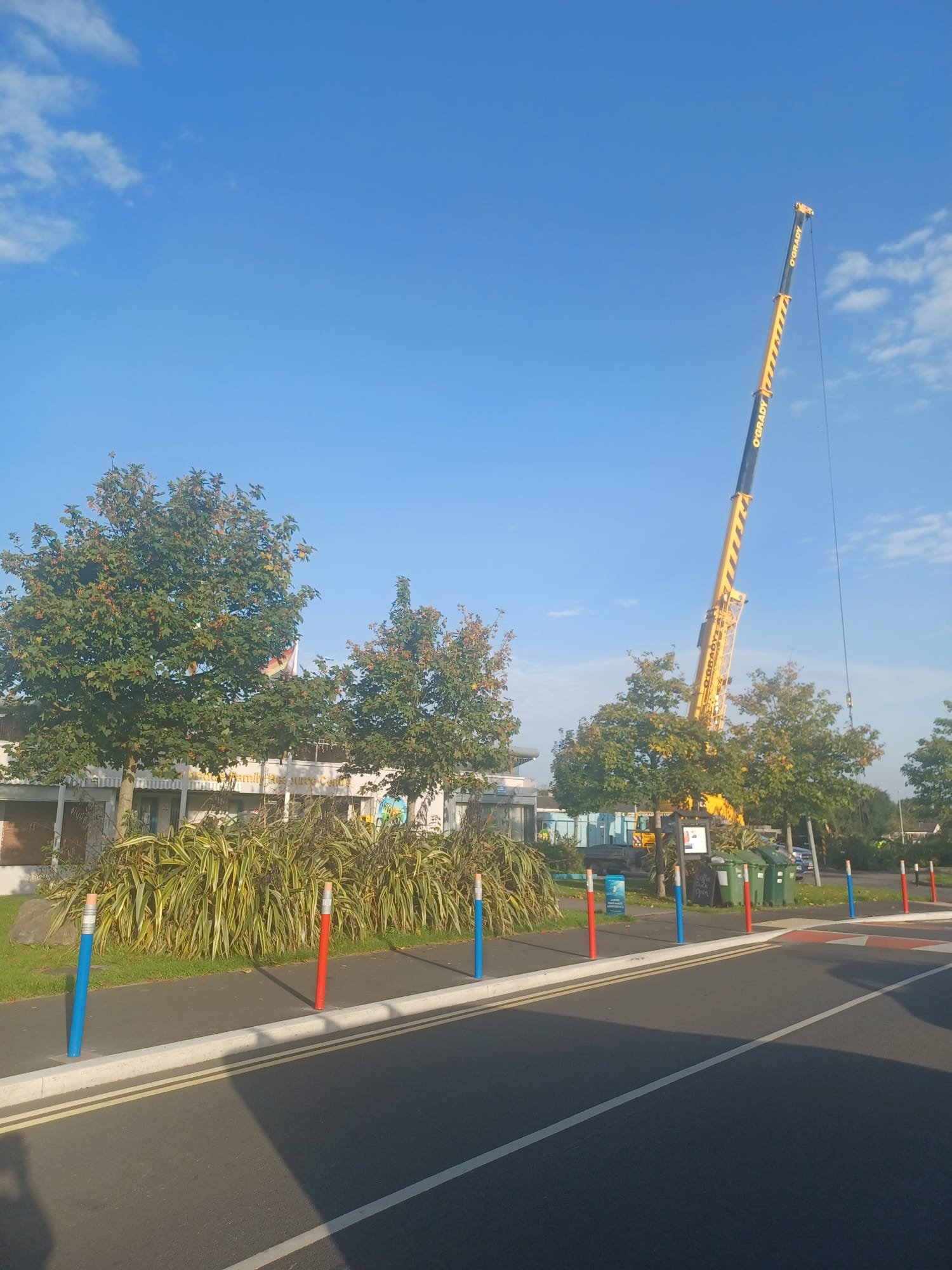
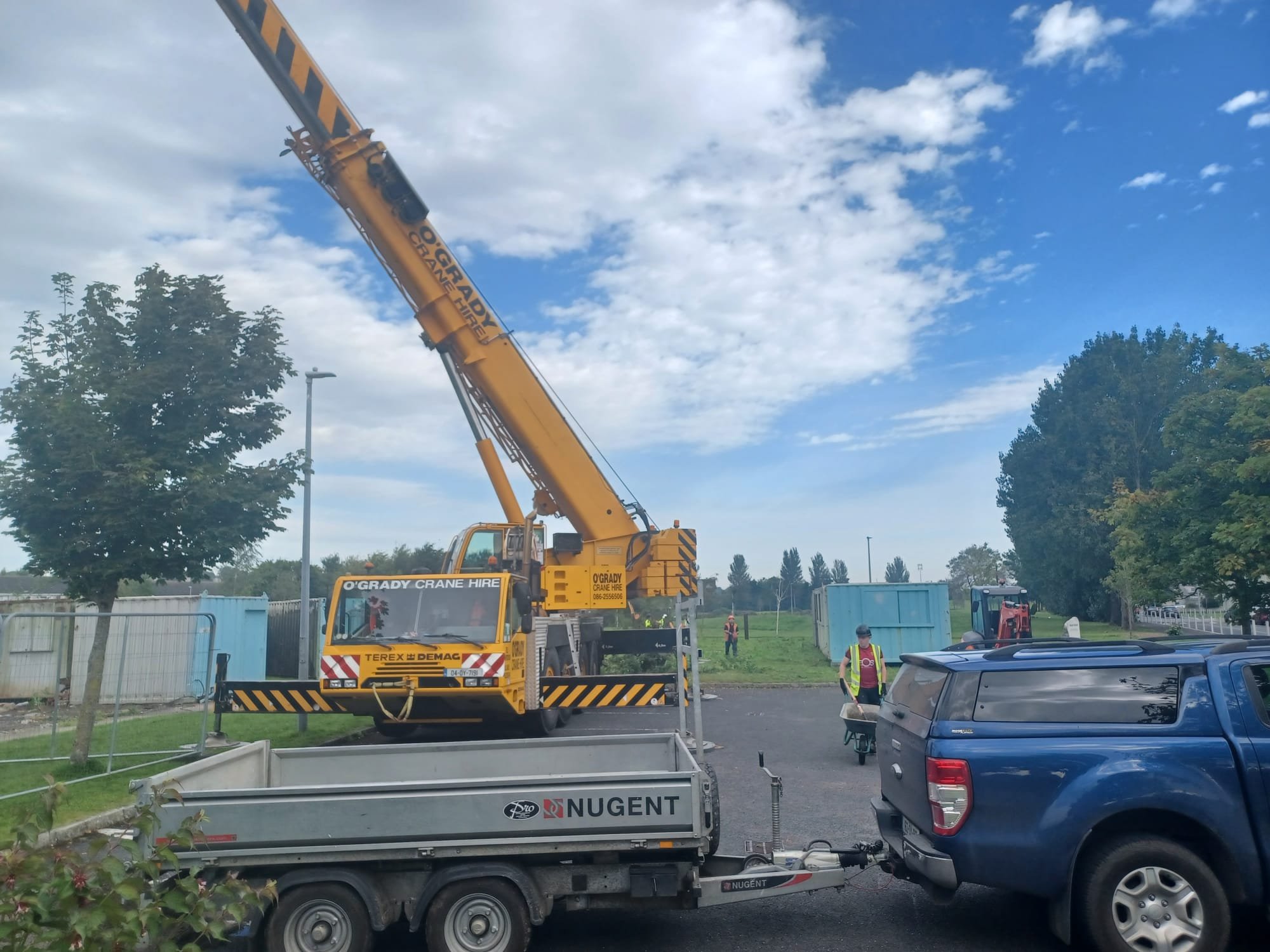
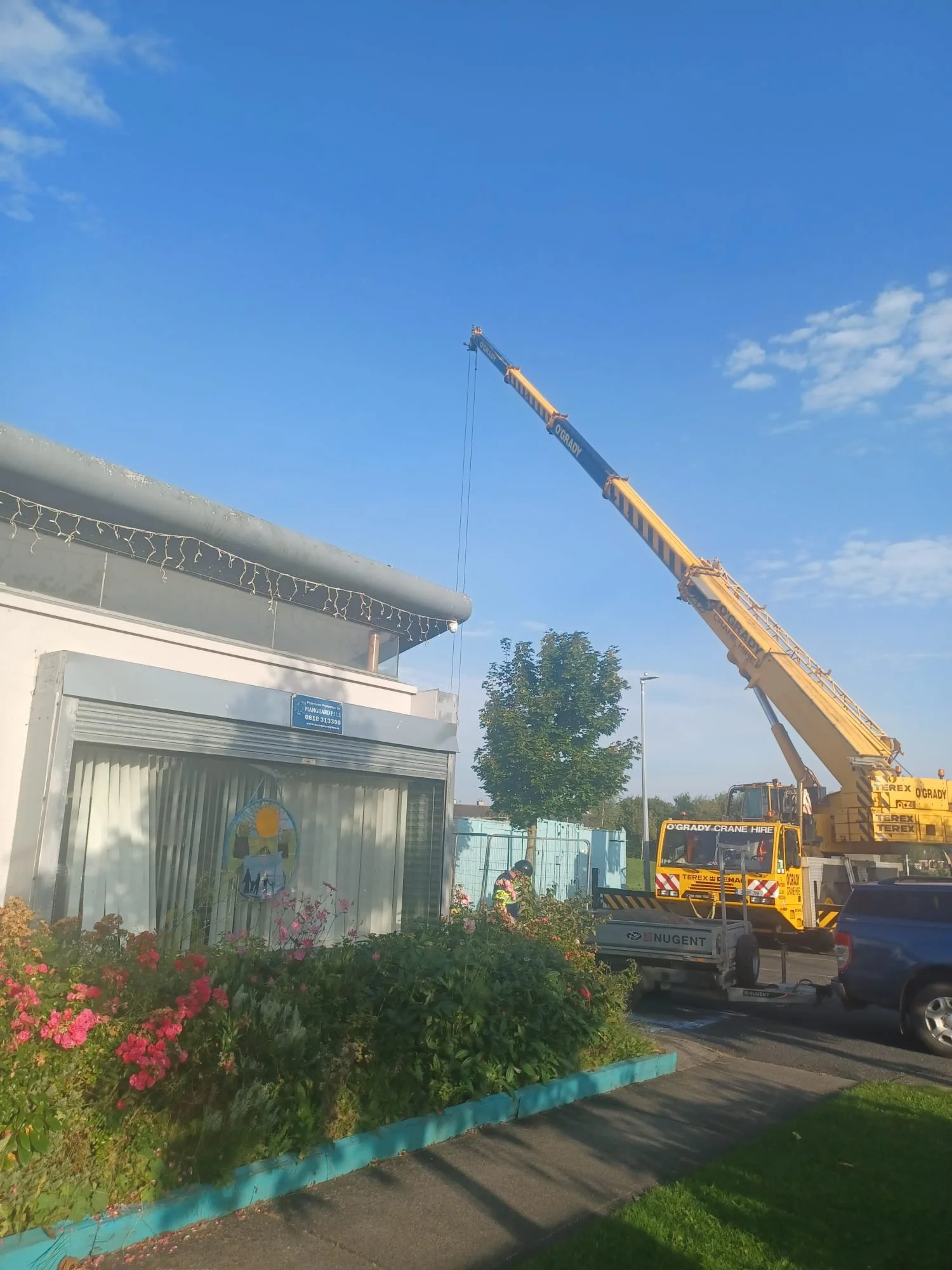
As we finish up the last few days here before our 2-week break at the resource centre, we would like to thank all those who came to our summer camps over July 😀 🥳. We wish you all a wonderful 2nd half of the year and hope to see you as you reopen again on the 14th of August!

Its that time of year again! 🕺🤩
Newbridge Family Resource Centre welcome you to take part in their 2nd family 5k fun run & walk Sunday 17th September starting at 10:30am. This is a fantastic opportunity to come together while helping to raise funds for the centre. 🏃♂️
The 5k route takes in some beautiful quiet country roads. This event will be chip timed with a bespoke medal for all participants and a commerative T- Shirt for the first 250 registered
Refreshments will be served afterwards at the centre! ☕

Congrats to the winning team of our Table Quiz! 🤩 Coinicidentally, it was formed primarily of our board members! We promise there was no rigging involved! 🤭 Their team name will the first to be engraved onto the quiz trophy!


Registration Essential :
Call Grainne 087-2988818 or Glen 087-9888655 -
We're delighted to announce the launch of our new website! Please have a look around and we'd be delighted with any feedback...
Our volunteer-led Youth Club is currently full with a Waiting List.
However if you would like to find out more, give us a ring or drop in.

Start Date:
Day and Time:
Price:
Contact:
Other information:
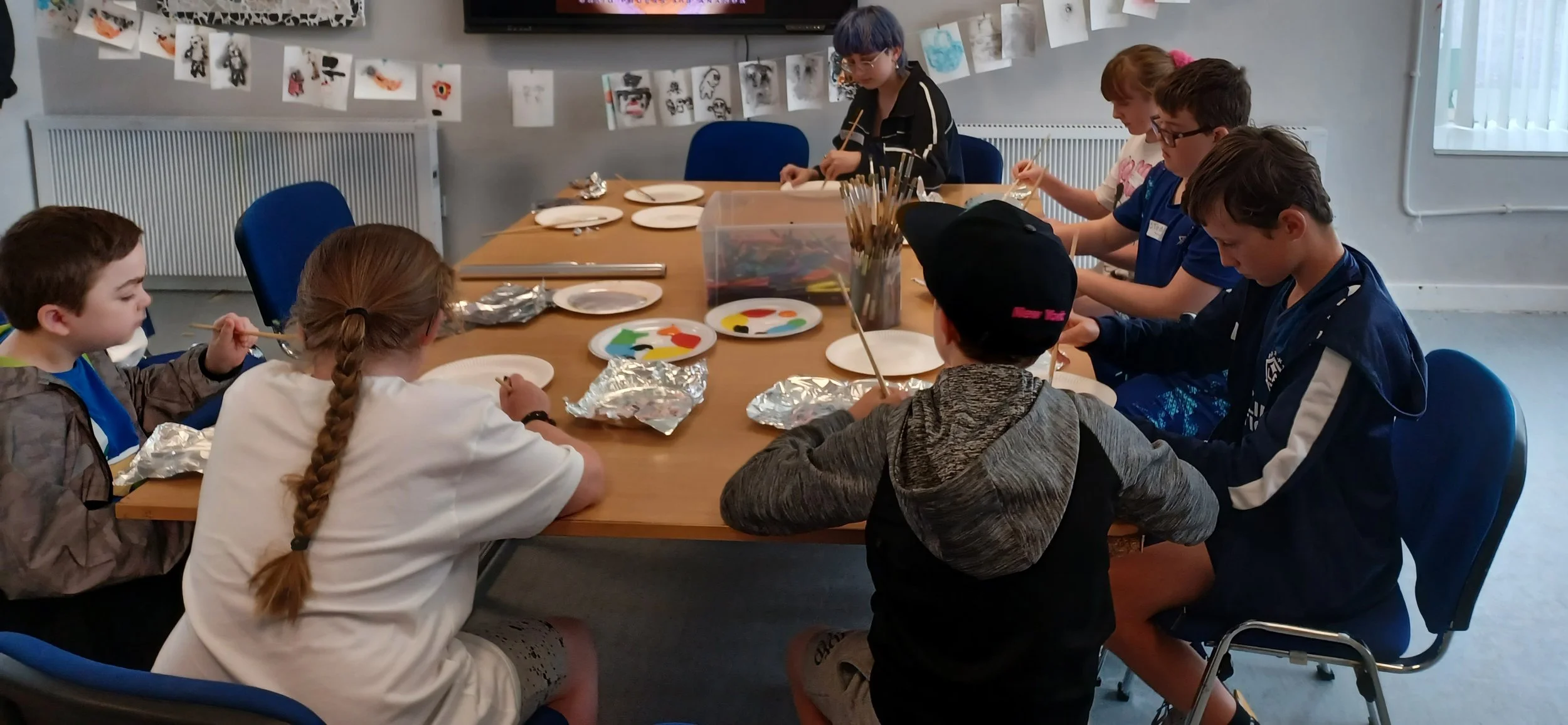
You are very welcome to drop in for a cup of tea, a snack and a chat with other parents while your child has fun, plays with toys, listens to music and interacts with other children.

Start Date:
Day and Time:
Price:
Contact:
Ongoing
Fridays 9.30am to 11.30am
€2 per week
Suzi 045-438173
English Classes for beginners delivered by KWETB currently running on Tuesdays please contact reception for details
Social Group for Ukrainians on Friday afternoons @ 1.30pm please contact reception for details
We got to discuss the work and collaborations in place with Newbridge Family Resource Centre supporting Ukrainians and Refugees new to Newbridge with the Ukrainian Ambassador Ms Larysa Gerasko and Minister O’Gorman at a Public Meeting held in the beautiful Barretstown Castle in May 2022

Ms Larysa Gerasko Ukrainian Ambassador to Ireland and Minister O’Gorman at a Public Meeting in Barretstown Castle May 2022

Ms Larysa Gerasko Ukrainian Ambassador and Ellen Duggan Manger of NRFC @ Public Meeting in Barretstown Castle May 2022
Date:
Day and Time:
What:
Contact:
Other info:
May 9th 2022
Friday and Tuesdays from 1.30pm to 3.30pm
English for beginners on Tuesdays & coffee and chats on Fridays
Reception 045-438173
Working in partnership with KWETB, HSE